
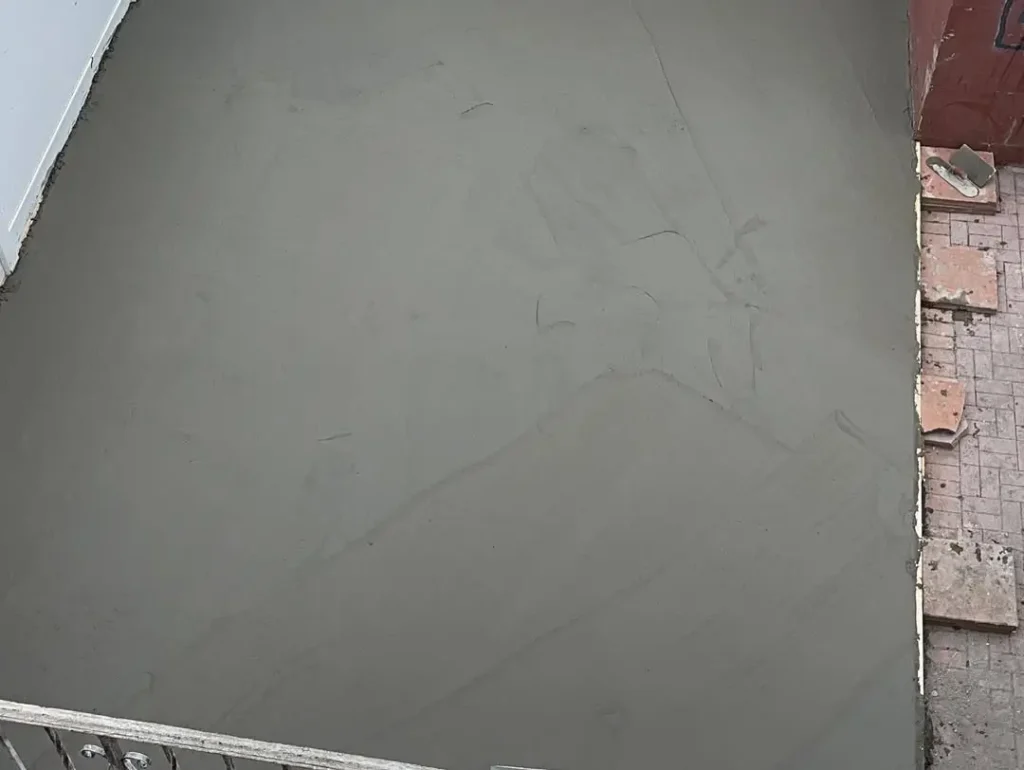
In 2025, New York’s DOT will review sidewalk safety more strictly than ever. Those small sidewalk cracks and uneven concrete in front of your property are going to cost you. Knowing what inspectors look for may be the difference between passing with no issues and getting a sidewalk violation that requires immediate response. So, let’s go through the DOT checklist so that you can get this sidewalk violation off your list.
Trip Hazards: The Quarter-Inch Rule
Here is where a lot of property owners fail – literally. The DOT does not allow for vertical displacements that exceed a quarter of an inch. Yes, 0.25 inches on some of the adjoining concrete slabs, and you get a violation.
What Inspectors Measure
- Vertical lip differences between sidewalk sections
- Heaved slabs caused by tree roots or soil settlement
- Sunken panels creating uneven walking surfaces
- Edge deterioration that creates sudden drops
The reason for the quarter-inch rule is that research has shown that anything more seriously endangers seniors and others with movement issues.
Cracks That Cross the Line
Not all sidewalk cracks indicate larger problems. However, the DOT does differentiate between issues of appearance and concerns of sidewalk integrity. Small hairline cracks may not make the list, but other cracks will if they compromise sidewalk integrity.
Red flags for inspectors:
- Cracks wider than 0.5 inches require immediate attention
- Spalling, where concrete surfaces flake or chip away
- Missing chunks creating holes or voids
- Structural cracks indicating underlying foundation problems
Temperature swings and freeze-thaw cycles make the development of cracks inevitable. Small surface damage can progress to large problems that may require the complete replacement of sidewalk panels.
Slope and Drainage Standards
Proper sidewalk slope isn’t just about water management—it’s an accessibility mandate. The 2025 standards maintain strict ADA compliance requirements that protect everyone’s right to safe passage.
Critical slope measurements:
- Maximum cross-slope of 2% (roughly 1/4 inch per foot)
- Running slope not exceeding 5% in most areas
- No standing water pools after rainfall
- Proper grading directing water away from buildings
Inadequate drainage doesn’t just violate DOT standards; it accelerates concrete deterioration, creates slip hazards, and can damage adjacent properties. Inspectors use levels and measuring devices to verify compliance.
Proper Concrete Finishing Techniques
The DOT expects professional-grade workmanship meeting specific finishing standards. Rough, poorly finished surfaces invite premature deterioration and safety complaints.
Approved finishing includes proper broom texturing for slip resistance without creating excessive roughness. Surfaces must be uniform, smooth enough for wheelchair navigation, yet textured enough to prevent slipping during wet conditions. Exposed aggregate finishes require pre-approval and must meet traction specifications.
The Investment Reality
Sidewalk repairs aren’t cheap, but violations cost more. Expect to pay $12-$18 per square foot for standard concrete replacement in NYC. Complex repairs involving tree root removal, substantial grading corrections, or ADA-compliant ramp installations can reach $20-$30 per square foot.
Violation fines start around $300 but escalate quickly for multiple infractions or delayed compliance. Property owners face potential litigation costs if someone is injured on non-compliant sidewalks. Proactive maintenance always beats reactive emergency repairs.
Keep Your Concrete Compliant
Understanding DOT standards protects your property investment and your community’s safety. Those seemingly minor concrete issues won’t fix themselves—they’ll worsen, multiply, and eventually demand attention at the worst possible moment.
Zicklin Contracting specializes in DOT-compliant sidewalk repairs that pass inspection the first time. Our expertise ensures your concrete work meets every 2025 standard while delivering lasting durability and professional aesthetics.
Don’t wait for violation notices to arrive. Get your sidewalks inspected and repaired by professionals who understand exactly what the DOT demands. Visit NYC Sidewalk Violations today for a comprehensive property assessment. Let’s ensure your sidewalks exceed compliance standards while protecting pedestrians and your peace of mind.


