
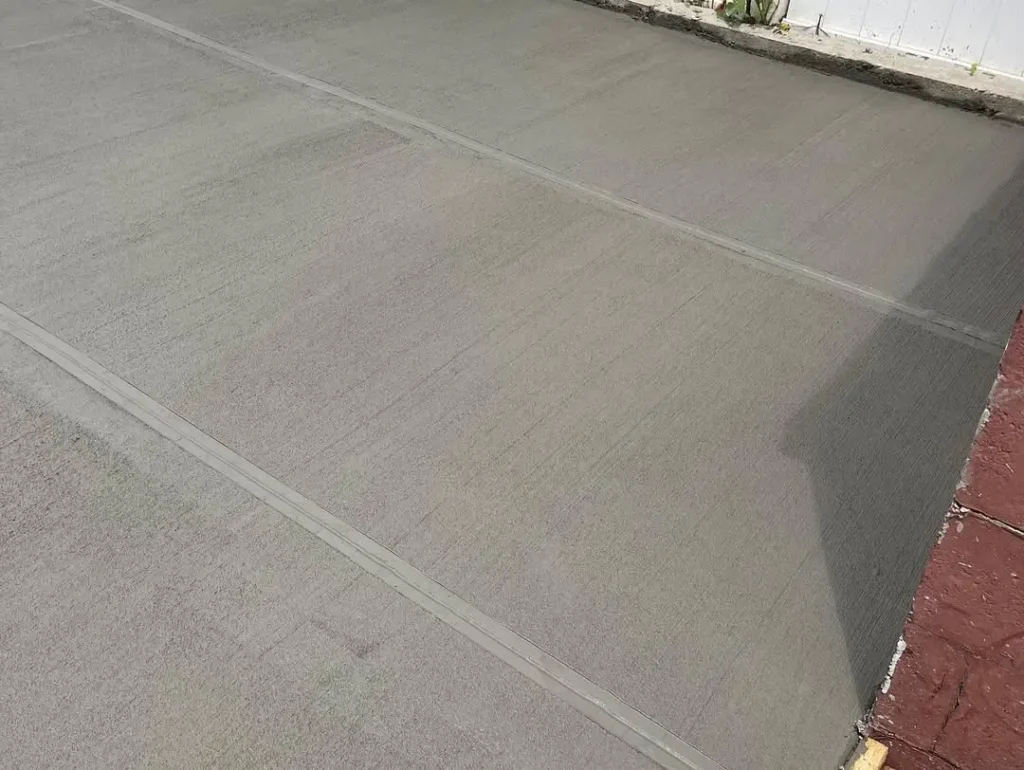
You may see cracked sidewalks as an eyesore, but in NYC, they are legal landmines as well. When that dreaded DOT violation notice lands in your mailbox, panic mode kicks in. But here’s the truth: passing inspection isn’t rocket science when you know exactly what inspectors demand.
Let’s break down the non-negotiables that separate amateur patch jobs from professional, violation-clearing concrete work that keeps your property compliant and your conscience clear.
Know Your Violation Type
The DOT never sends generic violations. Knowing your specific DOT violation is key and will determine everything from repair scope to budget. Sidewalk flags with vertical displacement greater than ¾ inch? Immediate action. Over ½ an inch? You are also looking at a violation and needing a new sidewalk. Missing concrete chunks need replacement, not simple patching.
Here’s what triggers DOT attention:
- Trip hazards: Uneven slabs creating height differences
- Deterioration: Spalling, crumbling, or broken concrete
- Drainage issues: Improper slope causing water pooling
Get Your Permits Squared Away
Zero shortcuts exist here. The DOT must approve sidewalk repair projects before you can start. The Street Activity Permit Application (SAPA) is mandatory. And if you file without proper documentation, you risk work stoppage and additional fines.
To get a permit, you pay $70 permit fee for up to 300 linear feet of sidewalk, although this fee can change based on project scope. Permits take a minimum of 7 to 10 business days, so keep that in mind. Rush jobs without permits always cost more in penalties than patience would’ve cost in time.
Material Specifications Matter More Than You Think
DOT inspectors know their concrete specs cold. Your contractor might think all concrete is created equal, but NYC’s specifications tell a different story.
The Concrete Formula
You need 3,000 PSI minimum compressive strength concrete. No exceptions, no substitutions. This isn’t backyard patio material—it’s engineered for NYC’s brutal freeze-thaw cycles and constant foot traffic. The mix must include proper air entrainment (5-7%) for durability.
Thickness and Reinforcement
Sidewalk slabs require a minimum 4-inch thickness. High-traffic areas? Bump that to 5 inches. Wire mesh reinforcement (#10 gauge) must sit centered within the slab. Skip this, and your “repair” becomes your next violation.
Proper Grading and Drainage
Flat sidewalks fail inspections. Period. DOT mandates a 2% slope away from buildings—that’s ¼ inch per foot. This seemingly minor detail prevents water damage to building foundations and eliminates slip hazards from ice formation.
Catch basins and curb cuts need special attention. Transitions must be smooth, and drainage patterns can’t redirect water onto neighboring properties. Inspectors measure these angles, so guesswork doesn’t fly.
Curing Time and Inspection Windows
Rushed concrete fails. Fresh pours need 7 days curing time before inspection requests. Proper curing involves keeping surfaces moist and protected from extreme temperatures. Shortcuts here create weak concrete that’ll crack within months.
Cost considerations: Basic sidewalk repairs range from $10-$15 per square foot for simple violations. Complex work involving multiple flags, tree root removal, or structural issues can hit $20-$30 per square foot. Getting quotes from multiple licensed contractors prevents overpaying.
Your Sidewalk Deserves Professional Attention
DOT inspections aren’t negotiations—they’re pass-fail evaluations of precise technical requirements. One missed specification means re-doing everything at double the cost. Zicklin Contracting has navigated thousands of NYC sidewalk violations, turning compliance headaches into smooth, inspection-passing concrete work. Our team knows every DOT requirement, every permit pitfall, and every shortcut that isn’t worth taking.
Don’t gamble with violations that compound into major fines. Visit NYC Sidewalk Violations today for your free inspection and quote. We’ll assess your specific violation, provide transparent pricing, and handle every detail from permits to final DOT sign-off. Your sidewalk problem ends here.


