
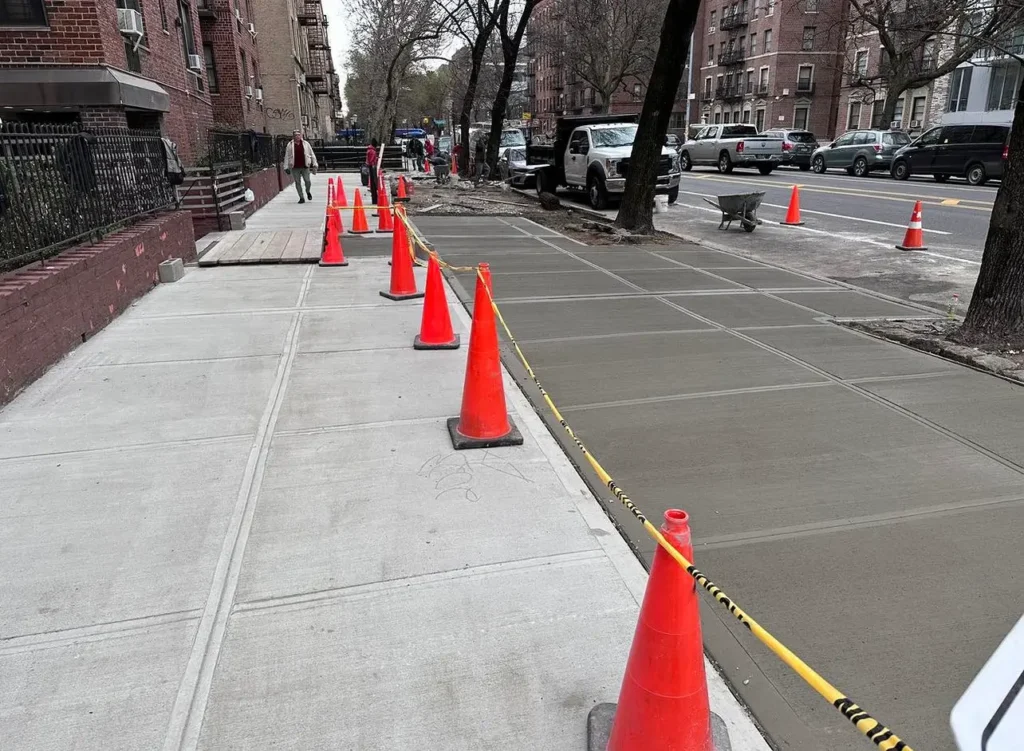
Utility work, repairs, and other infrastructure updates cause hundreds of excavations to occur daily in New York City. Whether you are an experienced contractor or new to the permitting process, understanding NYC DOT specifications is critical for maintaining the city’s safety and functionality. Let’s examine the details.
Understanding NYC DOT Specifications
The Department of Transportation’s specifications serve as your roadmap for any street excavation project. These guidelines cover everything from initial permit applications to final restoration standards, ensuring that when you dig, you do it right.
Think of NYC DOT specifications as your project’s foundation. They detail:
- Permit requirements for different excavation types and locations
- Safety protocols, including traffic control and pedestrian protection
- Material standards for backfill, pavement, and restoration work
- Timeline expectations from start to final inspection
Projects typically range from $5,000 to $50,000, depending on scope, with permit fees varying by excavation size and duration.
The Excavation Process: What Contractors Must Know
Before breaking ground, contractors must secure proper permits and coordinate with multiple city agencies. The NYC DOT specifications mandate a clear sequence: locate existing utilities, establish safety zones, and maintain traffic flow throughout your project.
Key Steps in the Process
Your excavation work must follow strict protocols. First, call 811 for utility marking at least two business days before digging. Then, implement proper shoring and bracing according to OSHA standards. The specifications require:
- Trench boxes or shielding for excavations deeper than 5 feet
- Daily inspections by a competent person before workers enter
- Proper drainage systems to prevent water accumulation
Restoration must begin immediately after utility work completion. Delays can result in penalties ranging from $500 to $5,000 per violation.
Restoration Standards That Meet DOT Requirements
Here’s where many contractors stumble; restoration isn’t just filling the hole back up. NYC DOT specifications demand restoration that matches or exceeds the original pavement condition. You’ll need to use approved materials and follow precise compaction requirements.
Material and Compaction Requirements
Base courses require 95% compaction density, while surface restoration must be smooth and level with existing grades. The specifications outline:
- Approved backfill materials including controlled low-strength material (CLSM) or compacted granular fill
- Layer thickness limits typically 8 inches maximum per lift
- Curing times before reopening streets to traffic
Temporary patches must be upgraded to permanent restoration within specified timeframes, usually 30-90 days, depending on season and conditions.
Working with NYC Sidewalk Violations
Street excavations often impact sidewalks, triggering additional compliance requirements. Companies like Zicklin Contracting specialize in helping contractors navigate these intersecting regulations, ensuring your project doesn’t create violation headaches down the line.
Sidewalk restoration must meet ADA accessibility standards, with proper slope grades and smooth transitions. Professional consultation can save you from costly rework and violations.
Your Path Forward
Mastering NYC DOT specifications transforms you from just another contractor into a trusted infrastructure partner. These standards exist to protect workers, pedestrians, and the city’s underground lifeline. By following them precisely, you’ll avoid penalties, build your reputation, and contribute to New York’s resilient infrastructure.
Don’t let complex specifications slow down your next project. Visit NYC Sidewalk Violations today for expert guidance on excavation permits, restoration standards, and compliance support. Your successful NYC project starts with the right knowledge and the right partners.


