
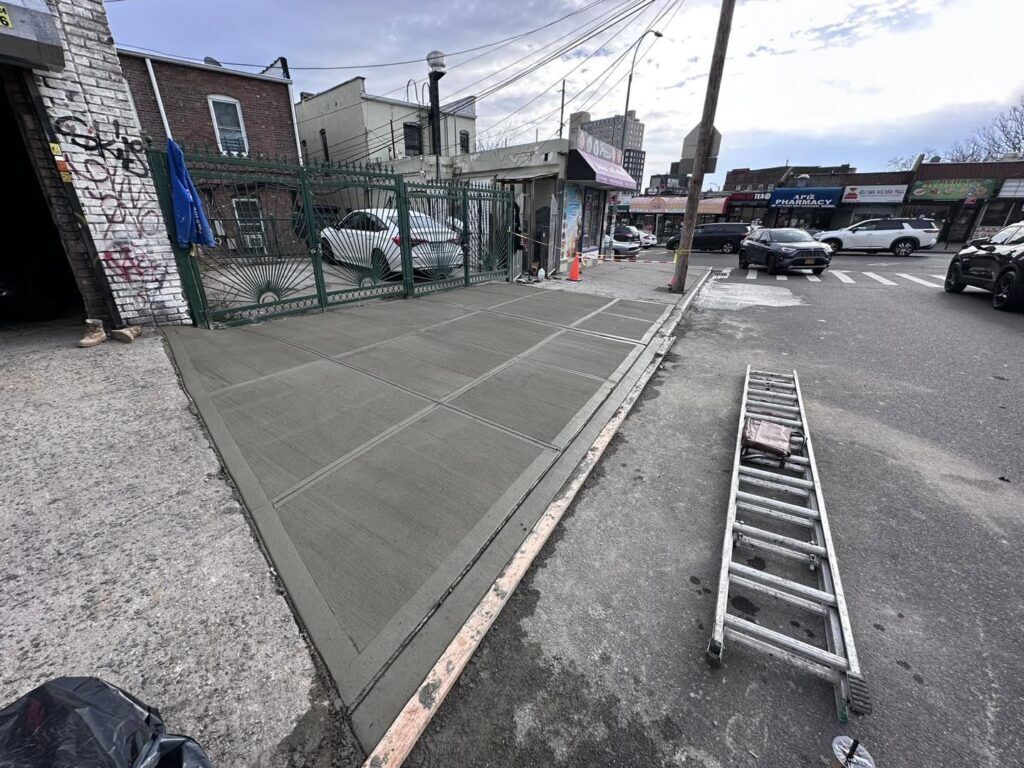
Beneath the bustling streets of New York City lies a hidden world of underground spaces that most pedestrians never think about. Sidewalk vaults are extensions of buildings that help hold the infrastructure above and provide storage and utility access. However, owning or managing a property with a vault comes with responsibilities and regulations that must be understood by every building owner.
What Are Sidewalk Vaults in NYC?
A sidewalk vault NYC is an underground space located beneath the public sidewalk but accessible from an adjacent building. They were built as a space-saving measure in the late 19th and early 20th centuries within the dense real estate of Manhattan.
Vaults serve several different purposes: storage for businesses, housing mechanical systems, and utility access points. The key difference of sidewalk vaults is that although the vault is located under public property, the building owner maintains it and pays annual rental fees to the city.
Building Vault Requirements and Structural Standards
There are strict structural requirements that building vaults need to meet. The vault ceiling, which doubles as the sidewalk surface, must support significant loads from pedestrian traffic, street furniture, and sometimes vehicle access.
Key structural requirements include:
- Reinforced concrete construction capable of supporting live loads of at least 300 pounds per square foot
- Proper waterproofing to prevent leaks and structural deterioration
- Adequate ventilation systems to prevent gas accumulation
- Light covers or vault lights that meet DOT specifications for strength and slip resistance
The Department of Transportation (DOT) requires that vault ceilings remain in good repair. Cracked or deteriorating vault lights pose serious safety hazards and must be replaced promptly. Failure to maintain these standards can result in violations and emergency repair orders.
Permits, Inspections, and Compliance
Any work involving a sidewalk vault NYC requires proper permits from the DOT. This includes new construction, alterations, repairs, or even changing how the vault is accessed.
The permit process typically involves:
- Submitting detailed engineering plans and structural calculations
- Paying application fees (ranging from $500 to several thousand dollars depending on scope)
- Passing inspections at various construction stages
- Obtaining a Certificate of Completion before resuming normal use
Annual vault rental fees must be paid to the city, calculated based on the square footage of the vault space. These fees typically range from $250 to over $1,000 annually, depending on the vault’s size and location. Non-payment can lead to liens against the property.
Building owners must also maintain liability insurance covering the vault area, as they’re responsible for injuries resulting from structural failures or poor maintenance.
Costs and Financial Considerations
Maintaining a sidewalk vault involves ongoing expenses. Routine inspections by structural engineers cost $500-$1,500, while vault light replacement can range from $200-$800 per unit. Major structural repairs easily reach $10,000-$50,000 or more.
Violations for improperly maintained vaults carry significant penalties, often starting at $2,500 and escalating for repeat offenses or dangerous conditions.
Keep Your Vault Compliant
Understanding sidewalk vault NYC regulations isn’t just about avoiding fines; it’s about maintaining safe infrastructure for your community. These underground spaces require consistent attention, proper documentation, and sometimes significant investment.
Don’t wait for a violation notice to address vault issues. Schedule regular professional inspections, stay current on rental payments, and address structural concerns promptly. For expert guidance on vault compliance, repairs, and violation resolution, visit NYC Sidewalk Violations today. Protect your property investment and ensure pedestrian safety by taking proactive steps toward full compliance now.


