
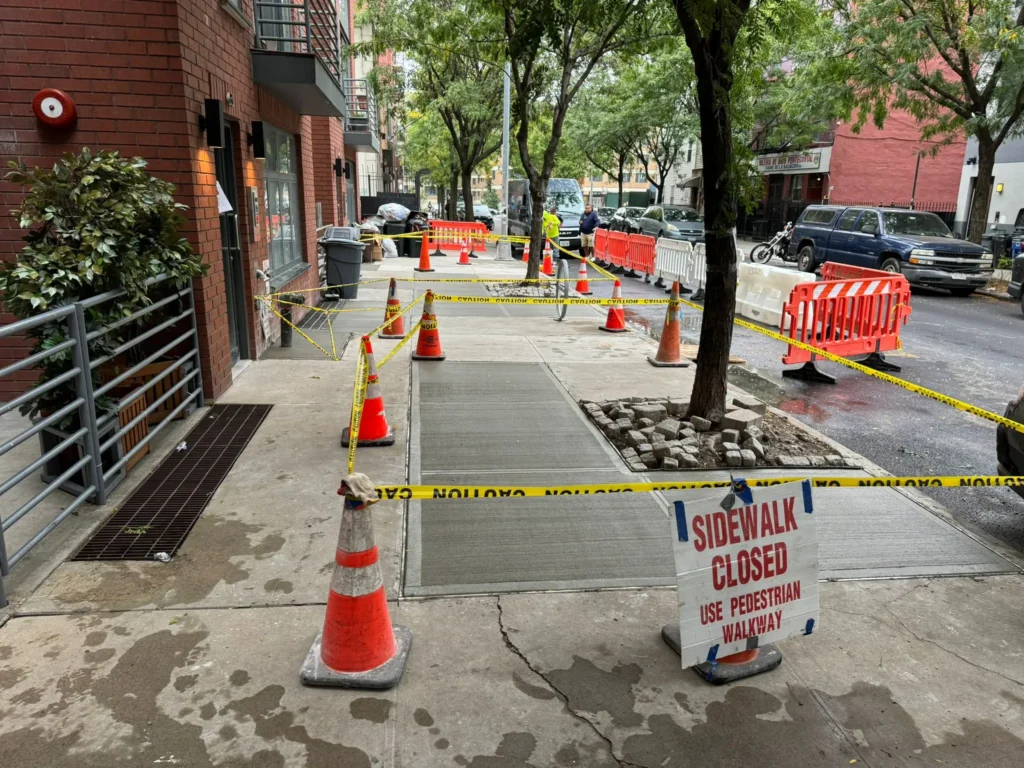
The first part of the NYC Department of Transportation (DOT) permit process is arguably the most overwhelming: insurance requirements and documentation. However, knowing what the DOT needs before the Street Works Permits are submitted will save contractors, utility companies, and even property owners time, money, and frustration. Let’s simplify the process for street works permits.
Why Insurance Matters for NYC Street Work
The NYC DOT is serious about protecting the city and everyone in it. Insurance requirements exist to ensure that if something goes wrong during your project, whether it’s property damage, injuries, or unforeseen complications, there’s financial coverage in place. Think of it as the city’s safety net and your protection, too.
Understanding NYC DOT Insurance Requirements
Before any work can commence on a project, proper insurance coverage must be obtained. The DOT typically requires:
General Liability Insurance
- Minimum coverage of $1 million per occurrence
- $2 million aggregate coverage
- The City of New York must be listed as an additional insured
- Certificate of Insurance must be current and valid
Workers’ Compensation and Disability Benefits Insurance
- Required for all contractors with employees
- Must comply with New York State Workers’ Compensation Law
- Disability benefits coverage as mandated by state law
The insurance certificates need to be submitted with your permit application, and they must remain active throughout your project’s duration. If your policy expires mid-project, you’ll need to submit updated documentation immediately to avoid work stoppages.
Essential Documentation for Your Permit Application
Getting your documentation right the first time is crucial. Beyond insurance, the NYC DOT requires several key documents:
Required Permits and Licenses
- Valid business license
- Contractor’s license specific to your work type
- Traffic control plan (if applicable)
- Detailed work plans and engineering drawings
Additional Documentation
- Notarized application forms
- Maintenance and protection of traffic (MPT) plans
- Environmental review documentation when necessary
- Proof of right-of-way or property ownership
Each document serves a specific purpose in the approval process. Your traffic control plan, for instance, shows the DOT exactly how you’ll keep pedestrians and vehicles safe while work is underway. Missing even one piece can delay your entire project.
Common Pitfalls and How to Avoid Them
The most frequent mistake contractors make? Submitting expired or inadequate insurance certificates. Double-check expiration dates and coverage amounts before submission. Another common issue is failing to update the “additional insured” endorsement correctly—the City of New York must be explicitly named.
Costs for permits vary depending on your project scope, location, and duration. Expect to pay application fees ranging from $100 to several thousand dollars for complex projects. Factor in insurance premiums (typically $5,000–$15,000+ annually for adequate coverage) when budgeting.
Pro tip: Start your application process at least 30-45 days before your planned start date. The DOT review process takes time, and rushing leads to errors.
Keeping Your Permit Compliant
Your responsibilities don’t end once the permit is approved. Maintain current insurance throughout the project, adhere to approved work plans, and keep all documentation accessible on-site. DOT inspectors can request proof of compliance at any time.
Get Your Street Works Permit Right
NYC DOT insurance requirements and documentation might seem tedious, but they’re designed to protect everyone involved in street work projects. By understanding these requirements and preparing thoroughly, you’ll navigate the permit process smoothly and get to work faster.
Need expert help with NYC sidewalk violations and DOT compliance? Visit NYC Sidewalk Violations today for professional guidance on permits, insurance requirements, and violation resolution. Don’t let documentation delays cost you time and money. Get started now!


