
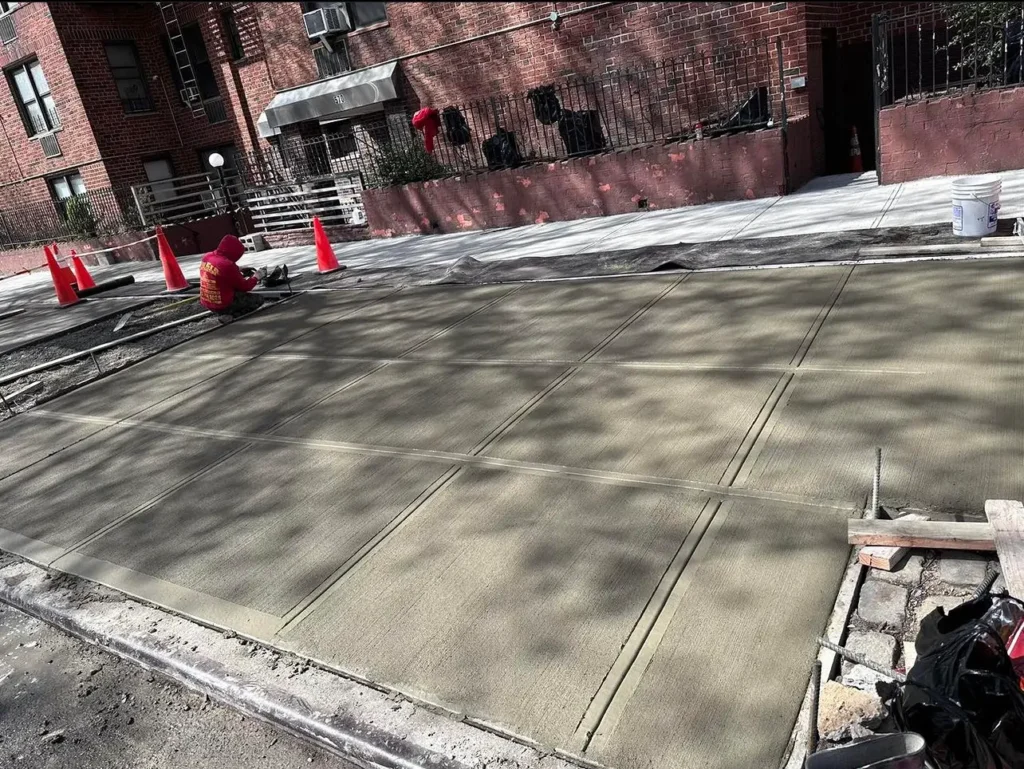
Sidewalk violations can hit property owners like an unexpected pothole. Whether it’s cracked concrete or uneven pavement, these citations come with hefty fines and tight deadlines. Luckily for you, learning how to write an appeal to the Environmental Control Board (ECB) can help you reclaim a good deal of money.
Understanding Your Citation
Once the NYC Department of Transportation spots sidewalk damage, they prepare a Notice of Violation (NOV) and send it your way. The citation includes the violation, the location, and the fine attached to it. Because of the varying degrees of sidewalk infractions, fines can be as little as $300 to more than $3,000. The clock starts ticking immediately—you’ll have a limited window to respond before the fine becomes a default judgment.
What is the New York City Environmental Control Board?
Think of the New York City Environmental Control Board as your courtroom for quality-of-life violations. This administrative tribunal handles everything from sidewalk citations to construction infractions across all five boroughs. Unlike criminal court, ECB proceedings are civil matters designed to resolve disputes between the city and property owners efficiently.
How ECB Hearings Work
The process is more streamlined than traditional court but requires preparation:
- Schedule Your Hearing: Request a hearing date within the timeframe specified on your NOV
- Gather Evidence: Photographs, repair receipts, and documentation of pre-existing conditions
- Prepare Your Defense: Clear arguments explaining why the violation should be dismissed or reduced
Building Your Appeal Strategy
Successful appeals aren’t about luck—they’re about strategy. First, examine whether the violation was properly issued. Was the damage actually on your property? Did the city provide adequate notice? Sometimes, violations are issued for sidewalk sections that fall under the city’s jurisdiction, not yours.
Document everything. Take time-stamped photographs from multiple angles showing the alleged violation. If you recently repaired the sidewalk, bring contractor invoices and before-and-after photos. Weather conditions, city tree roots, and utility work can all serve as valid defenses.
The Hearing Day Experience
ECB hearings occur Monday through Friday, 8:30 AM to 3:30 PM at borough-specific locations. Manhattan hearings take place at 66 John Street, while Brooklyn property owners head to 233 Schermerhorn Street. Arrive early—these offices process hundreds of cases daily.
What to Expect
- Brief Proceedings: Most hearings last 10-15 minutes
- Present Evidence: Submit your documentation and explain your case clearly
- Administrative Law Judge: A judge reviews evidence and issues a decision
- Immediate or Mailed Rulings: Some decisions come instantly; others arrive by mail
Remember, the burden of proof lies with the city. They must demonstrate that you violated sidewalk maintenance codes.
Alternative Resolution Options
Can’t make your hearing date? Request an adjournment before the scheduled time. You can also opt for a settlement conference where you might negotiate reduced penalties. For violations stemming from circumstances beyond your control—like emergency utility repairs—document these extensively.
Take Control Today
Sidewalk citations don’t have to drain your wallet. The appeal process exists precisely because not every violation warrants full penalties. With proper documentation, a clear defense strategy, and timely action, many property owners successfully reduce or eliminate fines.
Don’t navigate this complex process alone. Visit NYC Sidewalk Violations today for expert guidance on handling your citation. Our team understands ECB procedures inside and out, helping property owners protect their rights and their pocketbooks. Your successful appeal starts now.


